

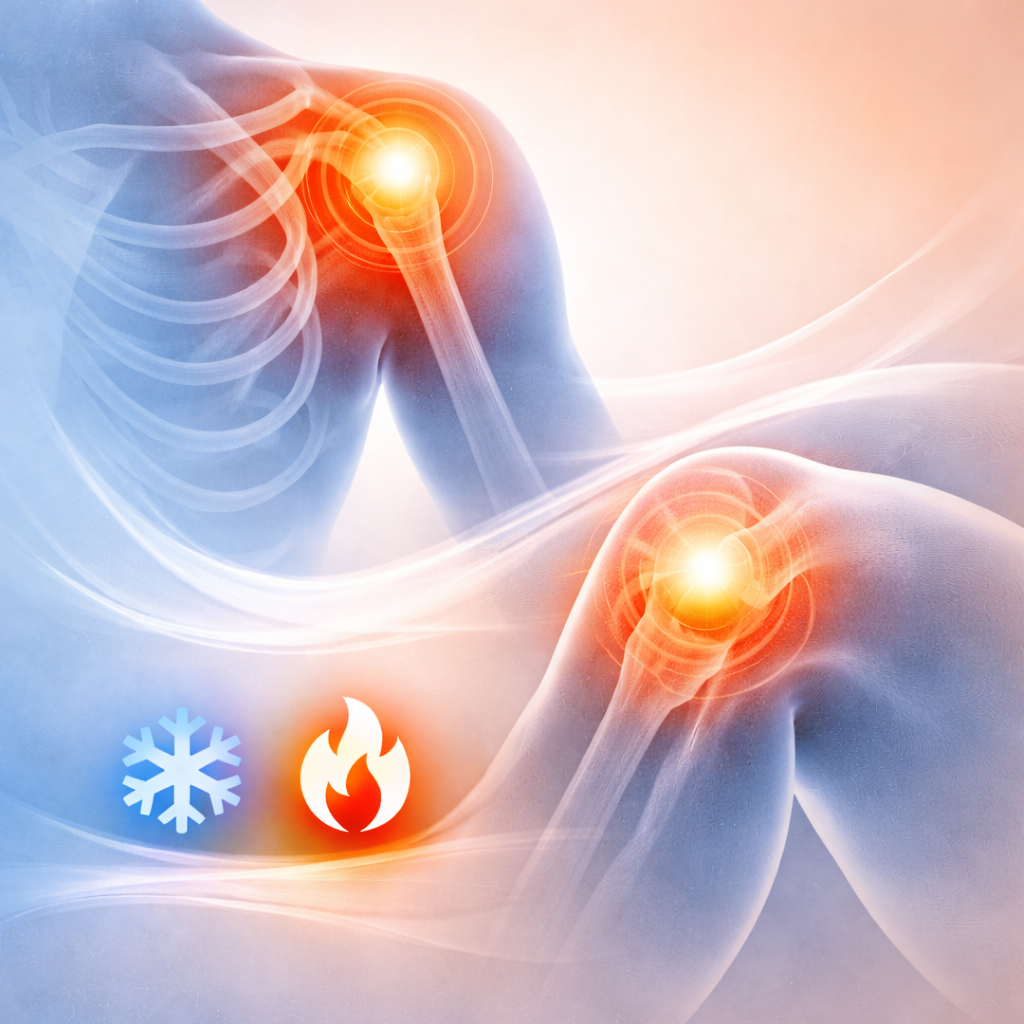
Chronic pain can feel unpredictable. One day symptoms are manageable and the next you are dealing with stiffness, swelling, and deep aching discomfort. Knowing how to use heat and cold therapy together can make a significant difference during a chronic pain flare up.
If you are looking for natural pain relief, drug free pain management, or at home treatments for chronic pain, combining heat therapy and cold therapy can be a simple and effective strategy. This guide explains when to use each therapy and how to use them together safely for better results.
Understanding Chronic Pain Flare Ups
A chronic pain flare up is a temporary increase in pain intensity that can happen with conditions such as arthritis, lower back pain, neck tension, joint pain, or muscle tightness. Flare ups may be triggered by stress, overuse, lack of sleep, weather changes, or inflammation.
During a flare up, the body often experiences two key issues:
Inflammation and swelling
Muscle tension and stiffness
Cold therapy helps reduce inflammation. Heat therapy helps relax tight muscles and improve circulation. When used correctly together, they support the body in different but complementary ways.
What Cold Therapy Does for Chronic Pain
Cold therapy works by narrowing blood vessels and slowing nerve signals in the affected area. This helps to reduce swelling and numb sharp pain.
Benefits of cold therapy for chronic pain include:
Reduced inflammation
Less swelling in joints
Temporary pain relief
Calming irritated tissues
Cold therapy is especially helpful at the beginning of a flare up when the area feels hot, swollen, or inflamed.
Common areas people use cold therapy include knees, shoulders, hips, lower back, and neck.
What Heat Therapy Does for Chronic Pain
Heat therapy increases blood flow and relaxes muscles. It encourages oxygen and nutrients to move into the area, helping tissues recover and loosen.
Benefits of heat therapy for chronic pain include:
Improved circulation
Reduced muscle stiffness
Greater flexibility
Comforting and soothing relief
Heat therapy is ideal when pain feels tight, stiff, or achy rather than swollen. It works particularly well for chronic back pain, neck tension, and joint stiffness.
How to Combine Heat and Cold Therapy for a Flare Up
Using heat and cold therapy together is often called contrast therapy. The goal is to calm inflammation first and then restore movement and flexibility.
Here is a simple step by step approach you can follow at home.
Step One Use Cold Therapy First
If your flare up includes swelling or sharp pain, start with cold therapy.
Apply cold compression to the affected area for about fifteen to twenty minutes. Make sure there is a thin layer of fabric between the skin and the cold pack.
This helps reduce inflammation and prevents the flare up from worsening.
Allow the skin to return to normal temperature before moving to the next step.
Step Two Switch to Heat Therapy
After cold therapy has reduced swelling, apply heat to the same area for fifteen to twenty minutes.
Heat encourages circulation and helps muscles relax. This can reduce stiffness that often follows inflammation.
Gentle stretching after heat therapy can also improve mobility.
Step Three Repeat if Needed
For more intense flare ups, you can repeat the cycle once or twice a day.
Cold first
Rest
Heat second
Always monitor how your body responds. If swelling increases, return to cold therapy. If stiffness remains the main issue, focus more on heat.
When to Avoid Heat or Cold Therapy
Although heat and cold therapy are safe for most people, there are situations where caution is needed.
Avoid heat therapy if the area is visibly swollen or inflamed.
Avoid cold therapy if you have poor circulation or sensitivity to cold.
Do not apply either therapy to broken skin.
If you have a medical condition such as diabetes or vascular disease, consult a healthcare professional before starting temperature therapy.
Creating an At Home Chronic Pain Relief Routine
Consistency is key when managing chronic pain naturally. Instead of waiting for severe flare ups, many people benefit from a simple daily routine.
Morning
Use gentle heat therapy to reduce stiffness and improve movement before starting your day.
After activity
Apply cold therapy if joints feel irritated or inflamed.
Evening
Use heat therapy again to relax muscles and prepare the body for rest.
Using compression along with heat or cold can enhance the benefits by supporting the joint and improving contact with the affected area.
Why Combining Heat and Cold Therapy Works
Cold therapy addresses inflammation. Heat therapy restores flexibility and comfort. Together they support circulation, calm irritated tissues, and reduce muscle guarding.
For people searching for natural remedies for chronic pain, drug free joint pain relief, or effective at home pain management, this combined approach can be a practical solution.
The key is understanding your symptoms and responding appropriately during each stage of a flare up.
Final Thoughts on Managing Chronic Pain Flare Ups Naturally
Chronic pain flare ups can be frustrating, but having a clear plan helps you feel more in control. Learning how to use heat and cold therapy together gives you a safe and accessible way to manage discomfort at home.
By starting with cold to calm inflammation and following with heat to relax and restore movement, you support your body through each phase of a flare up.
If you are building a long term chronic pain management routine, combining temperature therapy with gentle movement, good sleep, and stress management can make a meaningful difference over time.


Leave a comment
All comments are moderated before being published.
This site is protected by hCaptcha and the hCaptcha Privacy Policy and Terms of Service apply.