

Athletes push their bodies to the limit, and while this dedication builds strength and endurance, it also comes with the risk of injury. From sprained ankles to sore muscles and overworked joints, sports injuries are a reality for professionals and amateurs alike. Managing these injuries quickly and effectively is essential for recovery and performance, which is why compression and cold therapy have become trusted tools in the athletic world. These simple yet powerful methods are used not only for treatment but also for prevention and faster recovery.
Why Cold Therapy Works for Sports Injuries
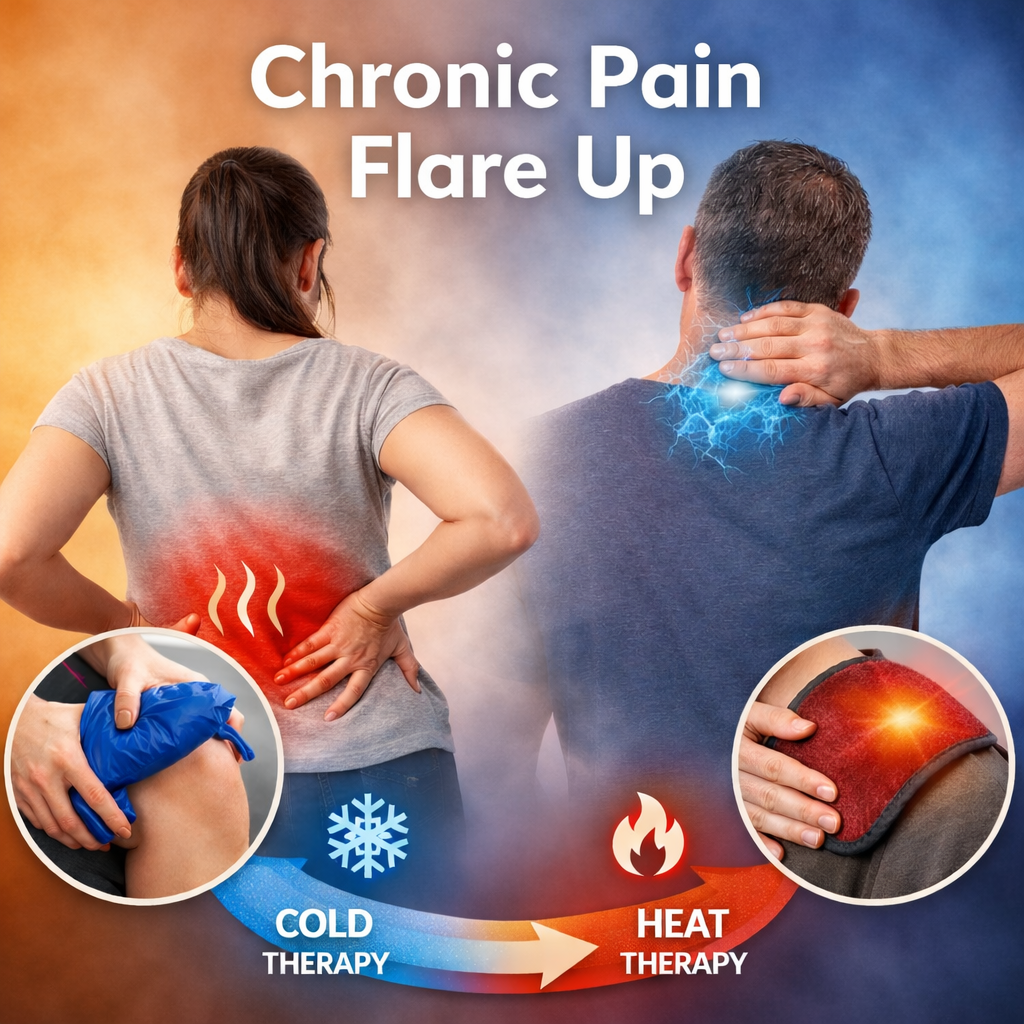
Cold therapy is one of the first steps athletes take after an injury. By applying cold to the affected area, blood vessels constrict and reduce fluid buildup, limiting swelling and inflammation. At the same time, the numbing effect provides immediate relief from sharp pain. For sprains, strains, or sudden knocks, cold therapy helps prevent the injury from worsening and creates a foundation for faster healing. Athletes often use gel wraps or ice packs within minutes of an incident to control swelling and ease discomfort.
The Role of Compression in Recovery
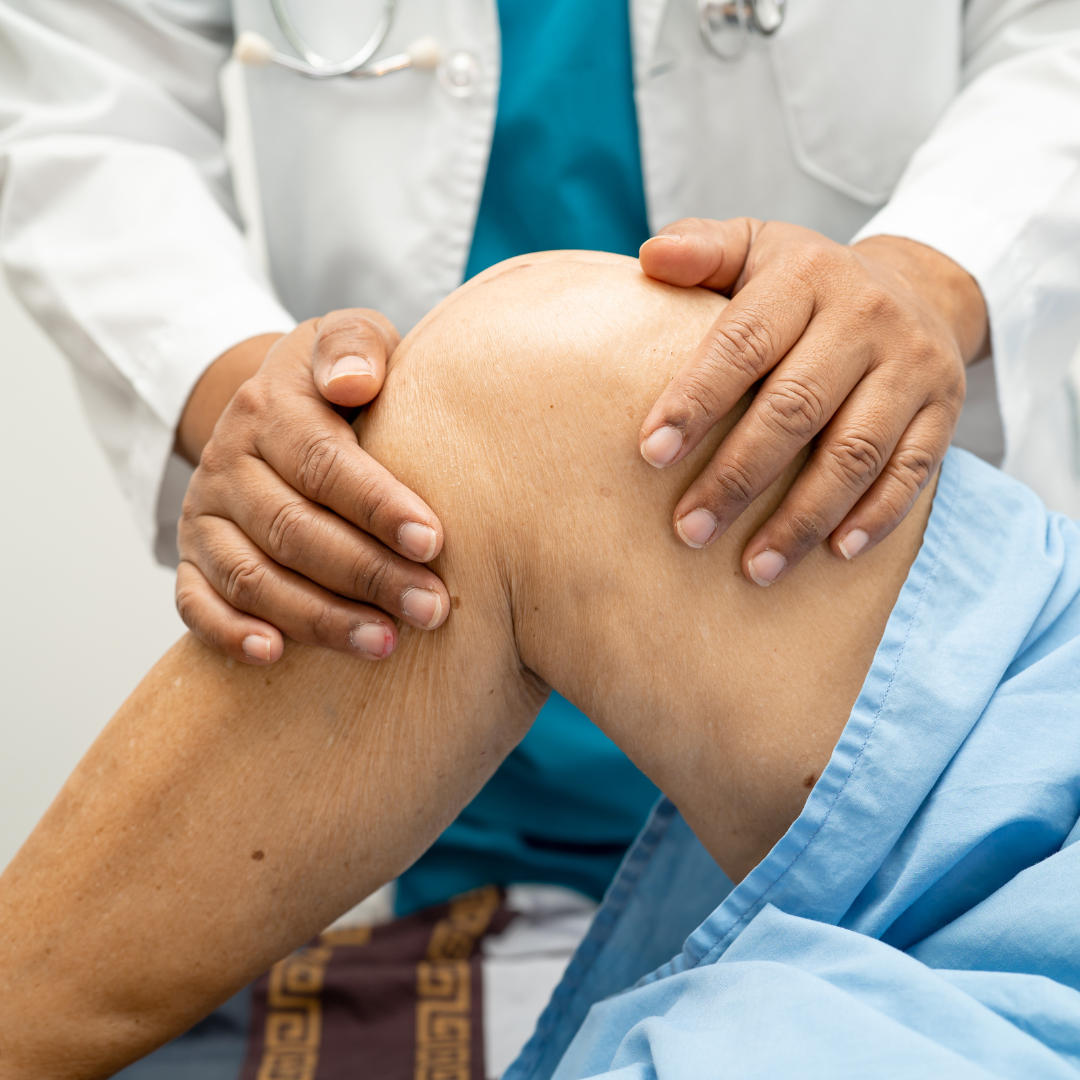
Compression plays an equally important role by applying gentle pressure to the injured area. This reduces excess fluid accumulation and supports circulation, helping tissues heal more efficiently. Compression also provides stability, which is particularly valuable for joints that need to stay mobile but supported, such as the knee, ankle, or wrist. For athletes, compression gear or wraps are often worn during and after activity to reduce swelling and enhance recovery.
Combining Compression with Cold Therapy
The most effective approach is often to combine compression and cold therapy. A wrap that delivers both at once maximises benefits by controlling inflammation, supporting circulation, and easing pain in a single step. This dual action is why many athletes choose gel compression wraps, which can be chilled for cold therapy while providing consistent pressure. The convenience of combining the two therapies makes it easier to follow a recovery routine without extra equipment.
Preventing Further Injury
Sports injuries not only cause immediate pain but also increase the risk of reinjury if not managed properly. By reducing swelling and stabilising joints, compression and cold therapy help athletes return to training more safely. The ability to limit inflammation early also prevents long term stiffness and complications. Coaches and physiotherapists often recommend these therapies as part of standard injury management, showing their value not just for professionals but for anyone who leads an active lifestyle.
Supporting Post Workout Recovery
Even without acute injuries, athletes experience microtears in muscles after intense workouts. Cold therapy helps ease soreness, while compression aids blood flow to repair tissues. Incorporating these therapies into a recovery plan reduces downtime and helps athletes train consistently. For those balancing regular workouts with busy schedules, practical tools like reusable gel compression wraps provide targeted relief and convenience.
Final Thoughts
Compression and cold therapy are more than quick fixes for sports injuries. They are essential tools that help athletes recover faster, reduce pain, and prevent future setbacks. By calming inflammation, improving circulation, and supporting joints, these methods empower athletes to stay active and continue performing at their best. Calm Core’s gel compression wraps combine both therapies into one product, making them a versatile and reliable choice for anyone looking to manage sports injuries naturally.
👉 Explore Calm Core’s collection of compression and cold therapy products designed for athletes and active lifestyles at CalmCore.

Leave a comment
All comments are moderated before being published.
This site is protected by hCaptcha and the hCaptcha Privacy Policy and Terms of Service apply.