
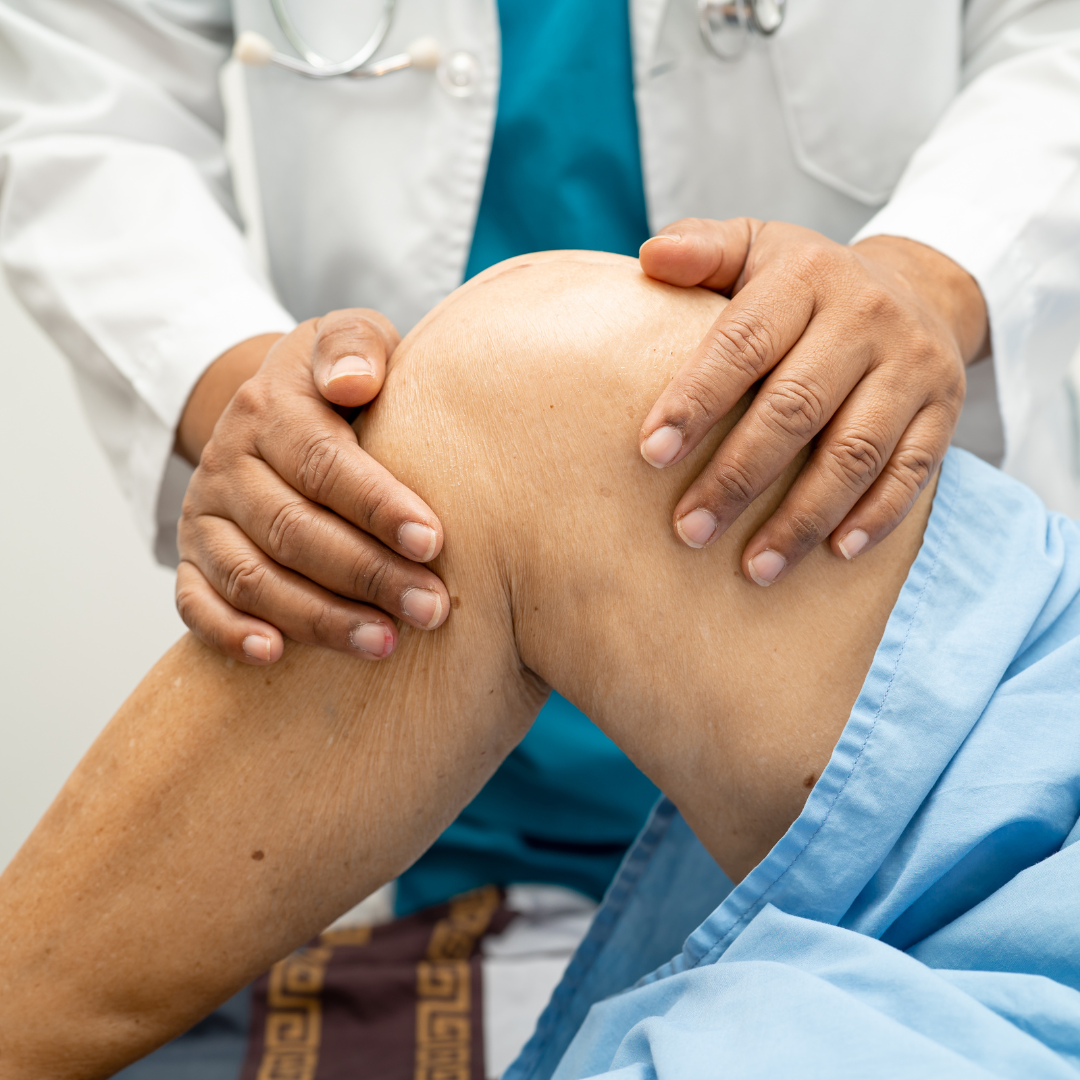
Arthritis is a condition that affects millions of people worldwide, causing stiffness, swelling, and persistent pain in the joints. While medication and medical treatments play an important role, many people rely on simple at home remedies to manage their daily discomfort. Among the most effective options are hot and cold therapy. Each approach offers unique benefits, but knowing when to use heat and when to use cold can make all the difference in finding lasting relief.
Why Cold Therapy Helps Arthritis Pain
Cold therapy is especially useful for managing inflammation. When a joint becomes swollen and tender, applying cold causes blood vessels to constrict and slows the flow of fluid into the area. This reduces swelling and numbs nerve endings, easing pain almost immediately. For people with arthritis who experience sudden flare ups, cold therapy can calm the joint and make movement more manageable. A chilled gel wrap or compress is particularly effective because it can contour to the joint while staying comfortably in place.
Why Heat Therapy Helps Arthritis Pain
Heat works in the opposite way. Instead of constricting blood vessels, it dilates them, increasing circulation and allowing more oxygen and nutrients to reach the affected joint. This helps relax stiff muscles, reduce tension, and improve flexibility. Many people with arthritis feel more mobile after using heat, especially in the morning or after periods of inactivity. Warm gel packs, heated wraps, or even warm baths can all provide soothing relief that allows joints to move more freely.
When to Use Cold and When to Use Heat
Cold therapy is best for flare ups that involve swelling, sharp pain, or recent overuse of a joint. Heat is more appropriate for ongoing stiffness and muscle tension that often develop around arthritic joints. For example, if the knee feels inflamed and puffy after walking, cold therapy can bring it under control. If it feels tight and difficult to bend after resting, heat will help loosen the joint. Alternating between the two can sometimes provide the most balanced relief, but understanding the difference ensures that each method is used effectively.
Safe Application of Hot and Cold Therapy
Both hot and cold therapy should be applied with care. Neither extreme heat nor extreme cold should ever be placed directly on the skin. A protective layer, such as a thin cloth, prevents irritation and allows the therapy to remain comfortable. Sessions of fifteen to twenty minutes are usually enough to provide relief, and breaks between applications give the skin and tissues time to recover. Products such as Calm Core’s gel compression wraps are designed to deliver both heat and cold at safe, consistent levels, making them easy to use at home.
Combining Therapy with Daily Habits
Arthritis management goes beyond hot and cold therapy, but these methods become even more effective when paired with healthy routines. Gentle exercise, hydration, and proper rest support joint health, while compression adds stability and reduces swelling. Incorporating hot or cold therapy into a daily routine provides both immediate relief and long term benefits.
Final Thoughts
Hot and cold therapy are simple yet powerful ways to ease arthritis pain naturally. Cold helps calm inflammation and numb discomfort, while heat relaxes stiffness and improves flexibility. Choosing the right method based on your symptoms ensures the best results and makes daily life with arthritis more manageable. Calm Core’s gel compression wraps combine the benefits of both therapies in one product, offering a versatile and drug free solution for arthritis pain relief.
👉 Discover Calm Core’s hot and cold therapy products for arthritis relief at CalmCore.



Leave a comment
All comments are moderated before being published.
This site is protected by hCaptcha and the hCaptcha Privacy Policy and Terms of Service apply.