
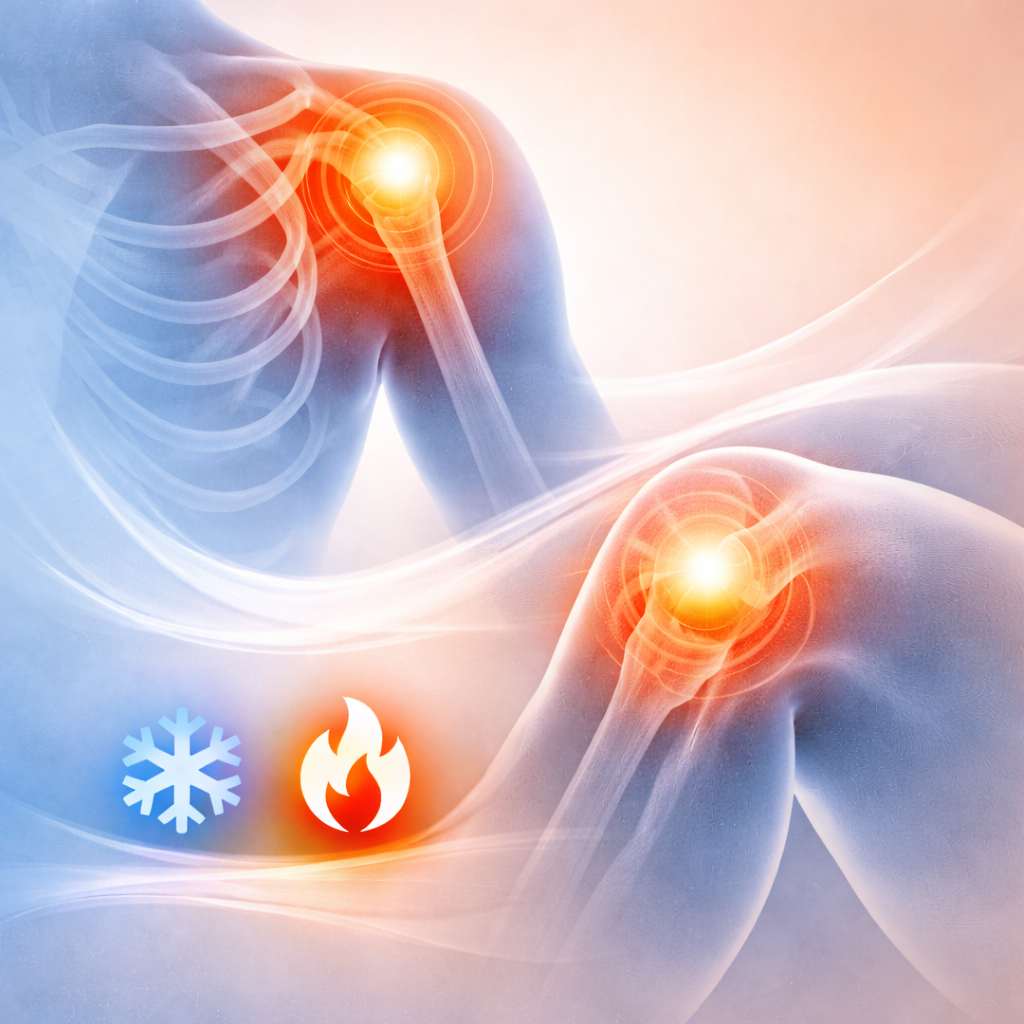
Compression therapy is a simple, drug free method used to support joints, reduce swelling, and improve muscle recovery. Whether you are managing chronic pain, recovering from exercise, or dealing with everyday stiffness, compression therapy can play an important role in your at home pain relief routine.
If you are searching for natural joint pain relief, muscle recovery support, or non invasive pain management, understanding how compression works can help you use it more effectively.
What Is Compression Therapy
Compression therapy involves applying gentle and consistent pressure to a specific area of the body. This pressure can come from compression sleeves, wraps, braces, or integrated compression within hot and cold therapy products.
The goal is to support the soft tissues, improve circulation, and limit excess swelling. Unlike medication, compression therapy works mechanically by assisting the body’s natural healing processes.
It is commonly used for knees, elbows, wrists, shoulders, ankles, and lower back pain.
How Compression Therapy Works
When soft tissues are injured or irritated, fluid can build up around the area. This leads to swelling, stiffness, and discomfort. Compression helps regulate this fluid buildup.
There are three key ways compression therapy supports joints and muscles.
First, it helps improve circulation. Gentle pressure encourages blood flow back toward the heart. Better circulation means more oxygen and nutrients are delivered to the tissues.
Second, it reduces swelling. By limiting excess fluid accumulation, compression helps control inflammation and joint puffiness.
Third, it provides structural support. Compression can create a feeling of stability around a joint, which may reduce strain during movement.
Benefits of Compression Therapy for Joint Pain
Many people use compression therapy for chronic joint pain, arthritis discomfort, or injury recovery. The benefits often include reduced swelling, improved mobility, and increased comfort during daily activities.
For knee pain, compression can help manage inflammation after walking or exercise. For wrist or elbow pain, it can provide support during repetitive tasks. For lower back discomfort, compression combined with heat therapy may help reduce muscle tension.
Because compression therapy is non invasive and drug free, it is often used as part of a long term pain management strategy.
Benefits of Compression Therapy for Muscle Recovery
Athletes and active individuals frequently use compression to support muscle recovery. After exercise, muscles can feel tight and fatigued. Compression may help improve blood flow and reduce post activity soreness.
Using compression after workouts can assist with recovery by supporting circulation and limiting minor swelling. When combined with cold therapy, it may also help calm irritated muscles. When combined with heat therapy, it can encourage relaxation and flexibility.
For people searching for muscle recovery tools at home, compression is a practical and accessible option.
Compression Therapy for Chronic Pain Management
Chronic pain conditions often involve both inflammation and muscle guarding. Muscle guarding happens when surrounding muscles tighten to protect a painful joint. This can lead to stiffness and restricted movement.
Compression therapy helps by offering gentle support and reducing the need for surrounding muscles to overcompensate. Over time, this may improve comfort and confidence in movement.
For individuals managing arthritis, long term joint pain, or recurring flare ups, compression therapy can be used daily as part of a broader routine that includes heat therapy, cold therapy, stretching, and rest.
Combining Compression with Heat and Cold Therapy
One of the most effective ways to use compression therapy is alongside temperature therapy. Compression helps maintain close contact between the hot or cold pack and the skin, which improves effectiveness.
Cold therapy with compression is useful when swelling and inflammation are present. The cold helps calm irritation while compression limits fluid buildup.
Heat therapy with compression is ideal when stiffness and muscle tightness are the main concerns. Heat increases circulation and compression helps support the joint during relaxation.
This combined approach is often recommended for natural pain relief and at home chronic pain management.
When to Use Compression Therapy
Compression therapy can be used during activity to provide joint support or after activity to help manage swelling. It can also be used throughout the day for chronic conditions, as long as it feels comfortable and does not restrict circulation.
You should avoid overly tight compression that causes numbness, tingling, or skin discoloration. The pressure should feel supportive but not restrictive.
If you have circulatory conditions or medical concerns, it is always wise to speak with a healthcare professional before starting compression therapy.
Final Thoughts on Compression Therapy
Compression therapy is a simple yet effective tool for supporting joints and muscles. By improving circulation, reducing swelling, and providing stability, it helps the body recover and function more comfortably.
For those looking for natural joint pain relief, muscle recovery solutions, or drug free chronic pain management, compression therapy offers a practical solution that can easily fit into a daily routine.
When combined with heat and cold therapy, compression becomes even more powerful, helping you manage discomfort and stay active with greater confidence.
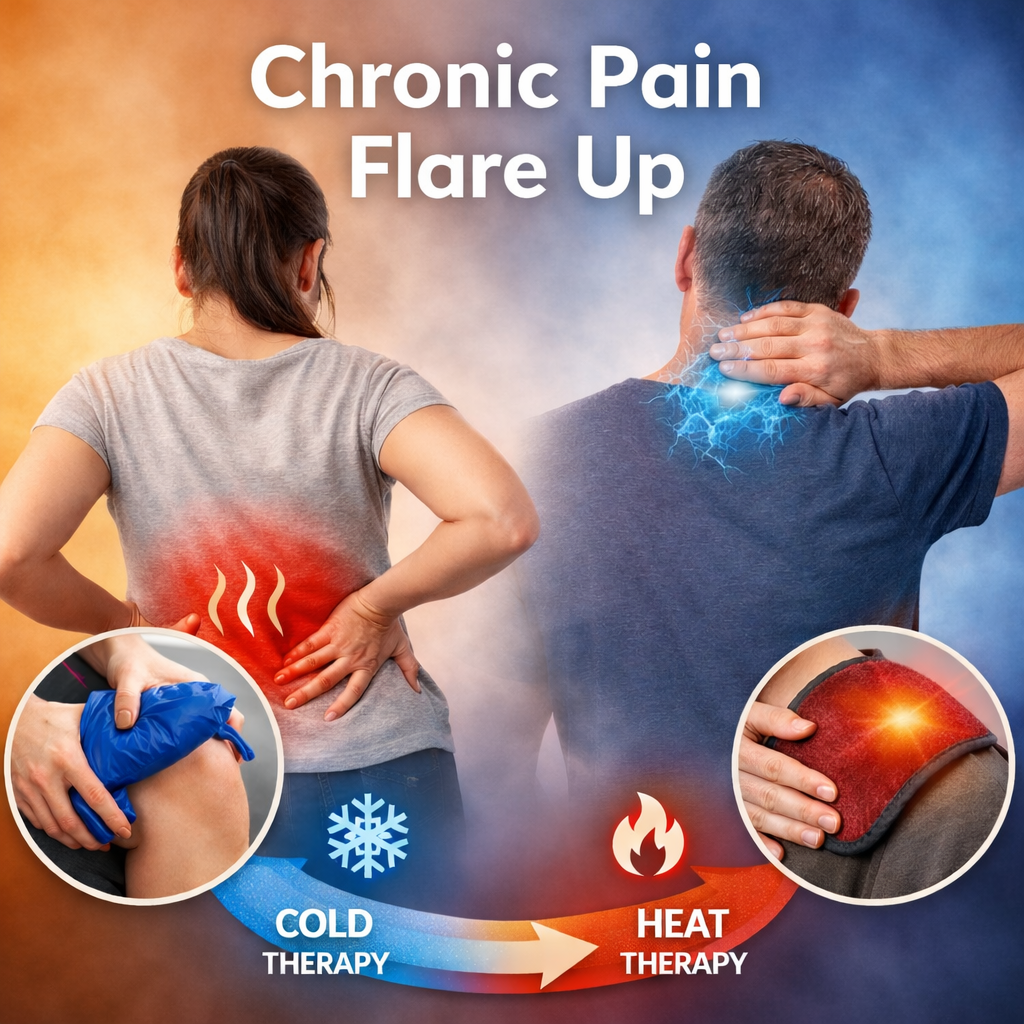


Leave a comment
All comments are moderated before being published.
This site is protected by hCaptcha and the hCaptcha Privacy Policy and Terms of Service apply.