
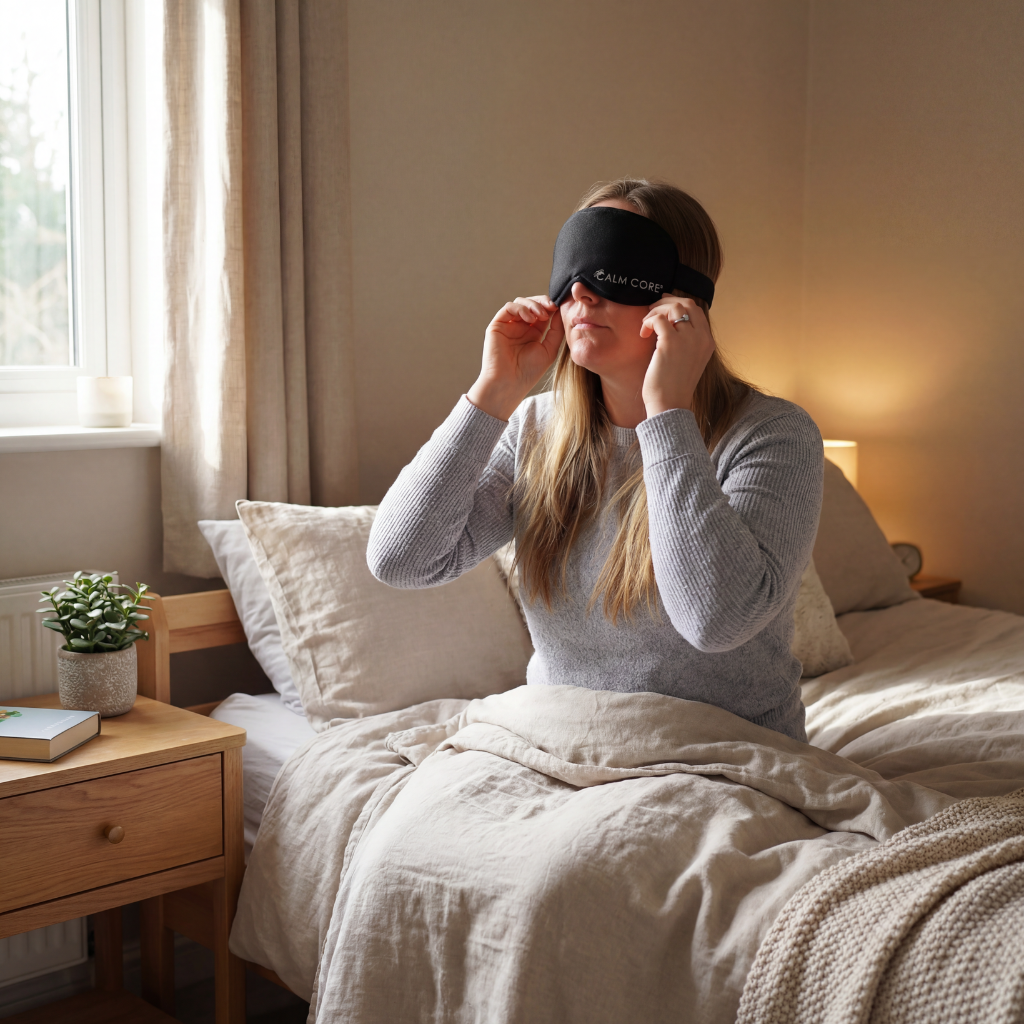
Sleep plays a vital role in physical recovery, mental clarity, and overall wellbeing. Yet millions of people struggle with falling asleep, staying asleep, or waking up feeling unrested. If you are searching for natural ways to improve sleep quality, temperature therapy may be a simple and effective solution.
Using heat therapy or cold therapy before bed can help regulate the body, calm the nervous system, and create the conditions needed for deeper and more restorative sleep. Here is how temperature therapy works and how you can incorporate it into your nightly routine.
Why Sleep Quality Matters
Poor sleep does not just leave you feeling tired. It can increase sensitivity to pain, affect mood, reduce focus, and slow muscle recovery. For individuals managing chronic pain or muscle tension, lack of sleep can even trigger flare ups.
Improving sleep quality naturally can support physical healing, reduce stress, and help regulate inflammation. This is where temperature therapy becomes particularly useful.
How Temperature Affects the Body Before Sleep
Your body temperature naturally drops in the evening as part of the circadian rhythm. This drop signals to the brain that it is time to sleep. Supporting this natural process can make it easier to fall asleep and stay asleep.
Temperature therapy works by influencing circulation and the nervous system. Whether you use heat therapy or cold therapy, both can help the body transition into a relaxed state when used correctly.
How Heat Therapy Can Support Better Sleep
Heat therapy promotes muscle relaxation and increases circulation. When applied to areas such as the neck, shoulders, lower back, or abdomen, it can ease physical tension that might otherwise make it difficult to fall asleep.
Benefits of heat therapy before bed include relaxed muscles, reduced stiffness, improved circulation, and a calming effect on the body.
For people with chronic back pain, neck tension, or joint stiffness, using gentle heat in the evening can help reduce discomfort that interferes with rest. Heat can also provide a comforting sensation that signals safety and relaxation to the nervous system.
A simple routine might involve applying a warm compress to tight areas for fifteen to twenty minutes before lying down.
How Cold Therapy Can Improve Sleep Quality
Cold therapy is often associated with injury recovery, but it can also help promote sleep in specific situations. Cooling the body can help reduce inflammation, calm headaches, and regulate temperature during warm nights.
Benefits of cold therapy before bed include reduced swelling, relief from tension headaches, and assistance in lowering body temperature.
For individuals who experience migraines, sinus pressure, or nighttime inflammation, applying a cold compress to the forehead, temples, or neck may help relieve discomfort and make falling asleep easier.
Cold therapy can also be helpful during warmer months when overheating disrupts sleep.
Temperature Therapy and the Nervous System
One of the key reasons temperature therapy supports better sleep is its effect on the nervous system. Heat therapy tends to activate the relaxation response, encouraging the body to move from a stressed state into a calmer one.
Cold therapy, when used briefly and gently, can reduce nerve activity in painful areas and decrease sensory overload. This can be especially beneficial for those managing chronic pain who find discomfort keeps them awake.
By reducing physical tension and calming nerve signals, temperature therapy helps create an environment that supports deeper and more restorative sleep.
Creating a Night Time Temperature Therapy Routine
Consistency is important when using natural sleep support methods. Instead of waiting until discomfort is severe, try building temperature therapy into your evening routine.
You might begin by dimming lights and reducing screen exposure. Then apply heat therapy to areas of tension such as the shoulders or lower back for fifteen to twenty minutes.
If headaches or inflammation are the issue, use cold therapy on the forehead or neck for a shorter period before bed.
Pairing temperature therapy with slow breathing or gentle stretching can enhance the calming effect.
Temperature Therapy for Chronic Pain and Sleep
Chronic pain and poor sleep often create a cycle. Pain makes it hard to sleep, and lack of sleep increases pain sensitivity. Breaking this cycle is essential for long term wellbeing.
Using heat therapy to relax stiff joints or cold therapy to calm inflammation can reduce nighttime discomfort. Over time, improving sleep quality may also help reduce overall pain perception.
For those looking for drug free sleep support or natural pain relief at night, temperature therapy offers a practical and accessible option.
Safety Considerations
Always use a protective layer between your skin and any heat or cold source. Avoid extreme temperatures and limit sessions to about fifteen to twenty minutes.
If you have circulatory issues, nerve sensitivity, or a medical condition, consult a healthcare professional before starting temperature therapy as part of your sleep routine.
Final Thoughts on Using Temperature Therapy for Better Sleep
Quality sleep is essential for recovery, mental clarity, and pain management. Supporting your body’s natural temperature rhythms with heat therapy or cold therapy can help create the ideal conditions for rest.
Better sleep does not always require complex solutions. Small adjustments to your evening routine can have a meaningful impact. Temperature therapy offers a simple and natural way to relax muscles, reduce discomfort, and support the body’s natural sleep cycle.
Whether you use heat to release tension or cooling to calm inflammation, incorporating temperature therapy into your nighttime routine may help you fall asleep more easily and wake up feeling more refreshed.
For those seeking natural sleep remedies, drug free relaxation techniques, or ways to improve sleep quality at home, temperature therapy can be a practical and accessible addition to your wellness routine.


Leave a comment
All comments are moderated before being published.
This site is protected by hCaptcha and the hCaptcha Privacy Policy and Terms of Service apply.